

• Introduction: Gaudiya Nritya is a classical dance form that hails from the historical Gauda region of Bengal, encompassing present-day West Bengal in India and parts of Bangladesh. It is a vibrant and expressive art form that integrates dance, music, drama, aesthetics, and rhythmic footwork. Rooted in ancient traditions and influenced by regional folklore, religious beliefs (particularly Vaishnavism and Shaktism), and classical Sanskrit texts like the Natyashastra, Gaudiya Nritya was revived and reconstructed in the 20th century after a period of obscurity. It seeks to present the rich cultural heritage of Bengal through graceful movements, intricate rhythms, and evocative storytelling.
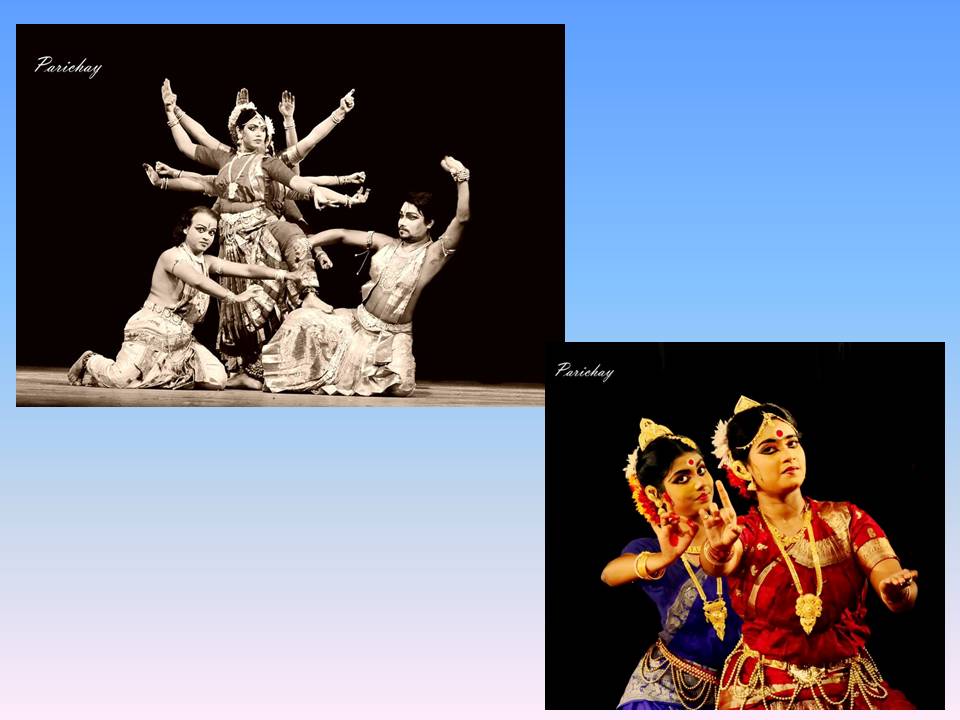
• Origin and brief history: The origins of Gaudiya Nritya can be traced back to ancient Bengal. Evidence of dance and music traditions in the region is found in archaeological findings, sculptures, and literary works dating back centuries. The term “Gauda” itself refers to a historical geographical area of Bengal.
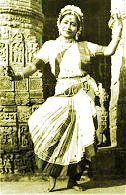
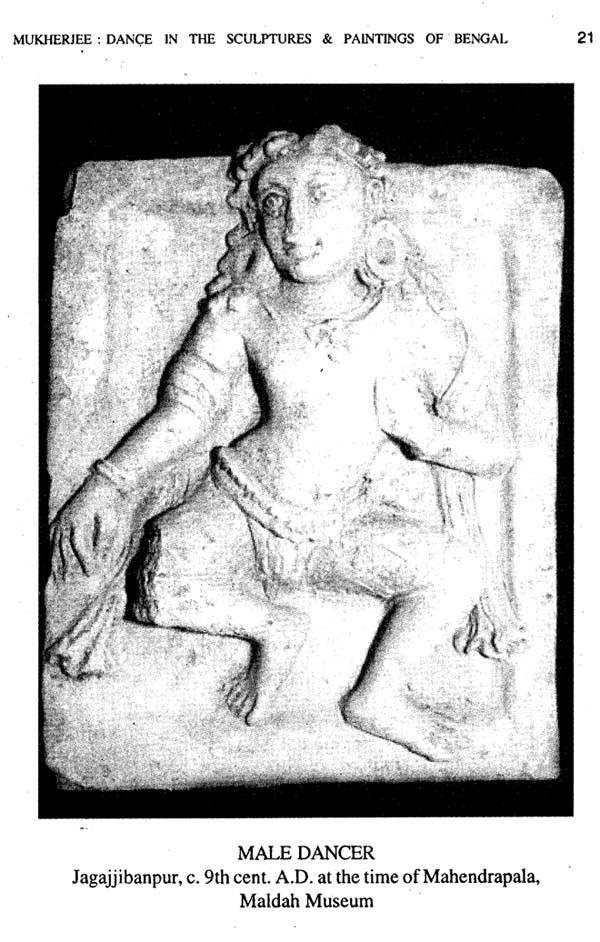
Historically, various forms of dance and performance thrived in Bengal, patronized by royal courts and deeply embedded in religious and social life. Temple dances, folk traditions, and narrative performances contributed to the evolution of what is now recognized as Gaudiya Nritya.
However, over time, these traditions faced decline and fragmentation. In the early 20th century, there was a conscious effort by scholars, dancers, and cultural enthusiasts to research, reconstruct, and revive the fragmented dance practices of Bengal, drawing inspiration from ancient texts, sculptures, temple carvings, and surviving folk traditions. Key figures like Guru Bipin Singh, his disciple Kalavati Devi, and dance historian Dr. Manjusri Chaki-Sircar played pivotal roles in this revival. Their research and artistic endeavors led to the codification of movements, techniques, and repertoire, giving shape to the contemporary form of Gaudiya Nritya.
• Costume and makeup details: The costume and makeup in Gaudiya Nritya are designed to enhance the aesthetic appeal and the character being portrayed. While there isn’t a single rigidly defined costume, certain elements are characteristic:
- Women: Typically wear a sari draped in a style that allows for freedom of movement. The sari is often made of silk or other rich fabrics and can be brightly colored with traditional Bengali motifs. Ornate jewelry, including necklaces, earrings, bracelets, and anklets (ghungroo), are essential. A decorative belt (kamarbandh) is also common. The hair is usually tied in a neat bun adorned with flowers.
- Men: Costumes vary depending on the character. They might include dhotis worn in a specific style, kurtas, and sometimes angarkhas or other traditional upper garments. Jewelry is also worn, though generally less elaborate than for female dancers.
- Makeup: The makeup is generally subtle yet expressive, highlighting the dancer’s features. The eyes are emphasized with kohl (kajal) to accentuate expressions. The lips are defined, and a bindi (tika) is typically worn on the forehead. The overall aim is to create a serene and graceful look.

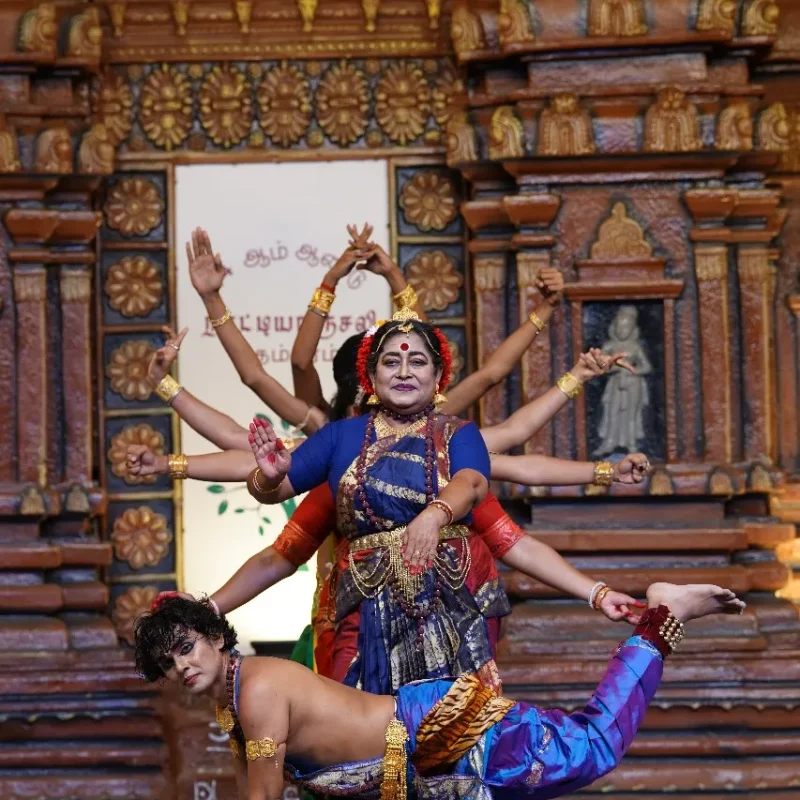
• Music and instruments used: The music in Gaudiya Nritya is an integral part of the performance, creating the atmosphere and supporting the narrative. The musical tradition associated with Gaudiya Nritya draws from classical Indian music (both Hindustani and Carnatic influences are sometimes seen in the revived form) and Bengali folk music.
Key instruments used include:
- Vocals: Singing plays a crucial role, often narrating stories or conveying devotional sentiments.
- Tabla: A pair of hand drums providing intricate rhythmic patterns.
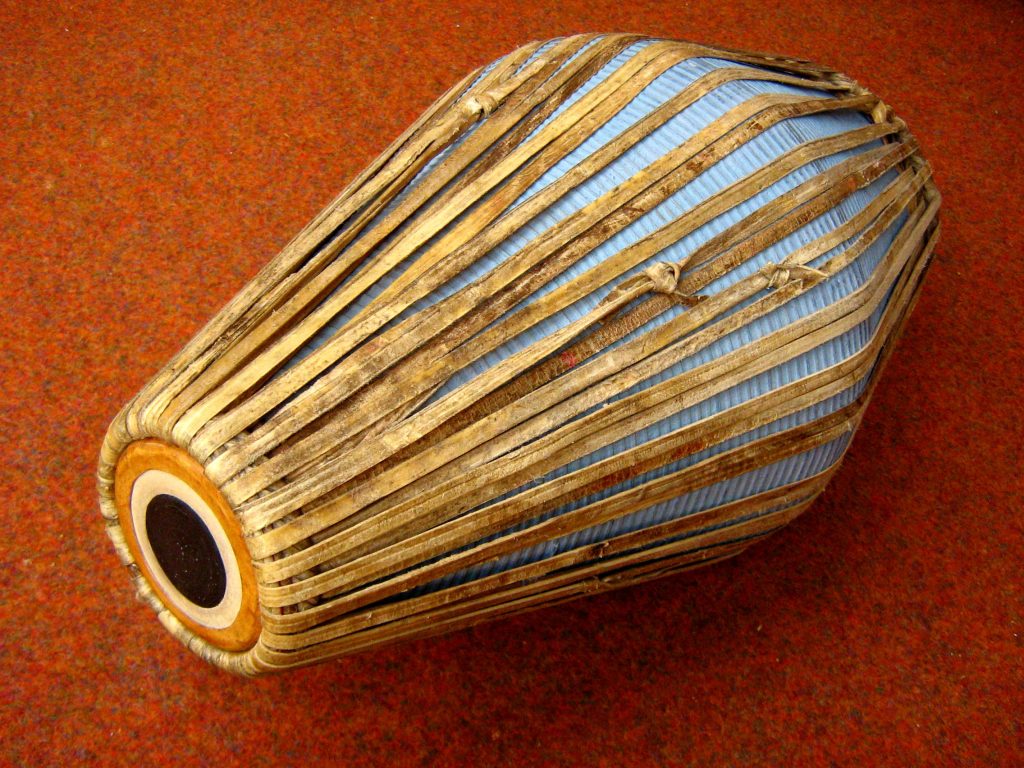
- Pakhawaj: A barrel-shaped double-headed drum, also used for rhythmic accompaniment, particularly in more traditional or devotional pieces.
- Sitar or Sarod: Stringed instruments that provide melodic accompaniment.
- Flute (Bansuri): A wind instrument known for its soulful and lyrical sound.
- Violin: Sometimes incorporated for melodic support.
- Harmonium: A keyboard instrument that provides melodic harmony.
- Ghungroo: Ankle bells worn by the dancers, contributing to the rhythmic aspect with their movements.
• Special features or moves: Gaudiya Nritya is characterized by its graceful and flowing movements, a blend of lasya (feminine grace) and tandava (vigorous, masculine energy), though it often leans towards the lyrical and expressive. Some special features and movements include:
- Fluid torso movements: Emphasizing flexibility and expressiveness of the upper body.
- Lyrical arm movements: Creating graceful lines and conveying emotions.
- Intricate footwork: While not as complex or percussive as some other classical forms, the footwork is precise and rhythmic, often synchronized with the music.
- Expressive Abhinaya (acting): Using facial expressions, hand gestures (mudras), and body language to narrate stories and convey emotions, drawing from the Natyashastra.
- Chari (gaits): Specific ways of walking and moving across the stage, each with its own aesthetic quality.
- Use of Tribhanga: A characteristic pose involving three bends in the body (neck, waist, and knee), creating an elegant and dynamic posture.

• Importance of the dance in festivals or rituals: Historically, dance in Bengal was deeply intertwined with religious practices and festivals. While Gaudiya Nritya in its revived form is often presented on stage as a classical art form, its roots lie in devotional traditions.
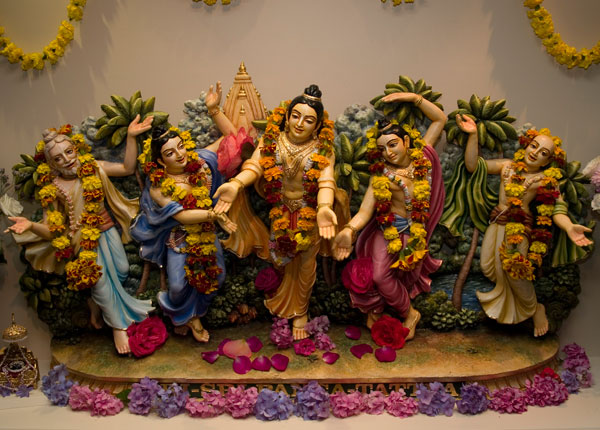
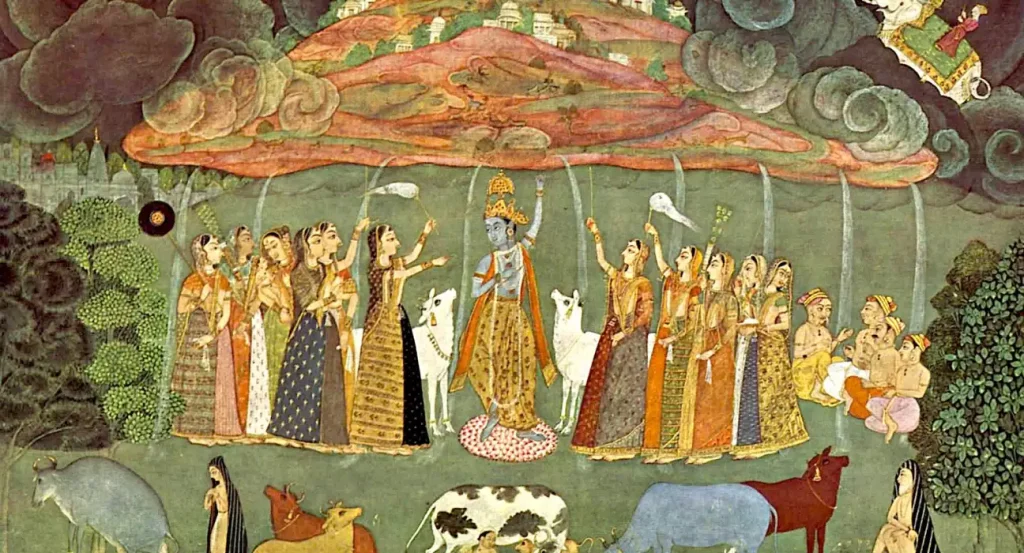
- Vaishnavism: Many themes and narratives in Gaudiya Nritya are drawn from the stories of Radha and Krishna, reflecting the strong influence of Vaishnavism in Bengal. Performances might be part of religious festivals celebrating deities.
- Shaktism: Devotional aspects related to the worship of the goddess Durga and other Shakti deities also find expression in some Gaudiya Nritya repertoire.
- Cultural Celebrations: Gaudiya Nritya is also performed during cultural festivals and events to showcase the artistic heritage of Bengal. It serves as a way to connect with the region’s history and traditions.

• Interesting facts or a short story related to the dance form: One interesting aspect of Gaudiya Nritya is its relatively recent revival. For centuries, the specific techniques and repertoire that constitute the classical form were not widely practiced or recognized as a distinct classical style. The rediscovery and reconstruction process in the 20th century involved meticulous research into ancient texts, temple sculptures, and surviving regional dance and music traditions.
A short story related to the revival could center around Dr. Manjusri Chaki-Sircar’s dedicated efforts. Inspired by the depiction of dancers in ancient Bengali terracotta art and the fragmented accounts of traditional performances, she embarked on extensive research. Traveling through rural Bengal, she studied various folk dance forms and musical traditions, seeking clues to the lost classical dance. By piecing together information from historical texts, sculptural evidence, and living traditions, along with the practical knowledge of surviving artists, she played a crucial role in giving a structured form and identity to Gaudiya Nritya as it is known today. Her journey exemplifies the dedication and perseverance required to bring a lost art form back to life.
• Important Vocabularies: The following is a list of 20 important terms related to the dance, its culture and the festivals based on the dance form.
Gaudiya: Relating to the historical Gauda region of Bengal.
Nritya: The Sanskrit term for dance, often referring to pure dance movements without specific narrative.
Abhinaya: The art of expression in Indian classical dance, encompassing facial expressions, gestures, and body language to convey emotions and narrative.
Lasya: A style of Indian classical dance characterized by graceful, lyrical, and feminine movements.
Tandava: A vigorous and forceful style of Indian classical dance, often associated with masculine energy and Lord Shiva.
Mudra: Symbolic hand gestures used in Indian classical dance to communicate specific meanings and emotions.
Bhakti: Devotion, particularly towards a deity, a central theme in many Gaudiya Nritya performances, especially those related to Vaishnavism.
Vaishnavism: A major Hindu tradition focused on the worship of Vishnu and his avatars, particularly Krishna.
Shaktism: A major Hindu tradition focused on the worship of the goddess Shakti or Devi.
Sari: The traditional garment worn by women in India, often specifically draped for dance performances.
Ghungroo: Ankle bells worn by dancers to create rhythmic sounds with their footwork.
Tabla: A pair of small hand drums used for rhythmic accompaniment.
Pakhawaj: A barrel-shaped, double-headed drum used for rhythmic accompaniment, often in more traditional settings.
Kirtan: A form of devotional singing and chanting, often accompanied by music and sometimes dance, particularly within Vaishnavism.
Jatra: A traditional Bengali folk theatre form, often incorporating music, dance, and drama, which may have influenced Gaudiya Nritya.
Durga Puja: A major ten-day festival in West Bengal celebrating the goddess Durga, often featuring various cultural performances.
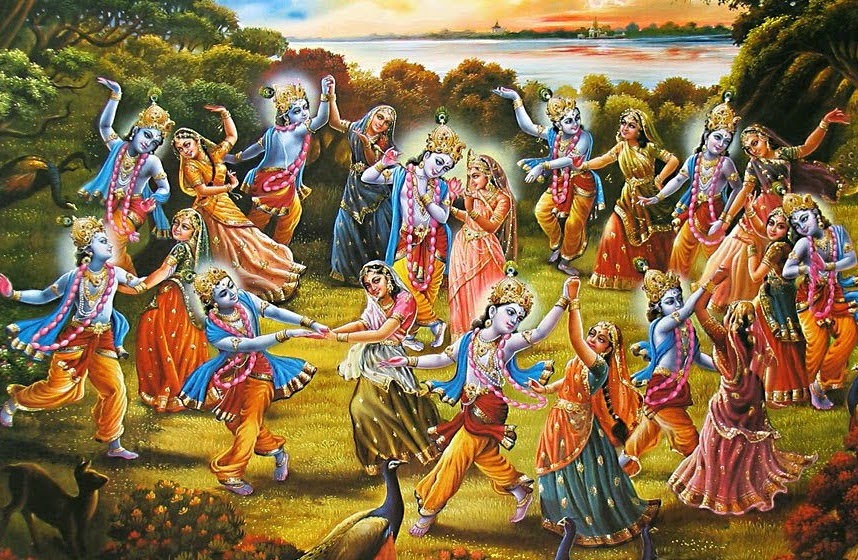
Rasa Lila: A dramatic folk tradition, especially prevalent in regions influenced by Vaishnavism, depicting the stories of Radha and Krishna through song and dance.
Tribhanga: A characteristic pose in Indian art and dance, involving three bends in the body, creating a graceful S-curve.
Revival: The process of bringing back or restoring a tradition or art form that has declined or been forgotten, as seen in the case of Gaudiya Nritya.
Aesthetic: Relating to beauty and the principles of art, an important aspect of the presentation and appreciation of Gaudiya Nritya.
• Conclusion: Gaudiya Nritya stands as a testament to the rich cultural heritage of West Bengal and the broader Gauda region. Through its graceful movements, expressive storytelling, and harmonious blend of music and rhythm, it offers a glimpse into the historical, religious, and artistic traditions of Bengal. The revival of this classical dance form in the 20th century has not only enriched the Indian classical dance landscape but also provided a vital link to the artistic legacy of the region, ensuring its continued appreciation and practice for generations to come.
Aman Pal
Literatureman