
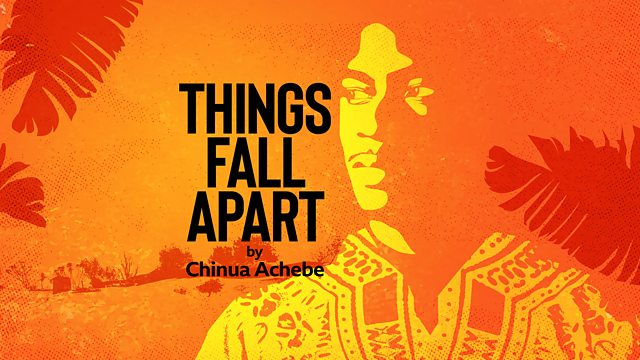
Chinua Achebe’s novel Things Fall Apart, first published in 1958, is a landmark work of modern African literature. Set in the late 19th and early 20th centuries, it tells the story of Okonkwo, a respected and strong man in the fictional village of Umuofia in Igboland, Nigeria. The novel is divided into three parts. The first part focuses on Okonkwo and the customs, traditions, and social structure of the Igbo community before the arrival of European missionaries and colonial powers. The second and third parts deal with the devastating impact of colonization on Igbo society and Okonkwo’s life, leading to his eventual downfall.
Major Themes
- Clash of Cultures: The central theme of the novel is the conflict between traditional Igbo society and the new culture brought by the European colonizers. Achebe details the complex and sophisticated nature of Igbo life and shows how it is misunderstood and ultimately destroyed by the arrival of Christianity and British administration.
- Fate vs. Free Will: Okonkwo’s life is a constant struggle against the perceived weaknesses of his father, Unoka. He strives to be a man of great status and strength, but his own actions, driven by a fear of being seen as weak, often lead to tragic consequences. This raises questions about whether his downfall is a result of his own choices or an inevitable outcome of the societal changes around him.
- Masculinity and Tradition: Okonkwo’s character is defined by his rigid adherence to traditional masculine ideals. His fear of being perceived as weak leads to many of his most significant failures, including the killing of Ikemefuna. The novel explores the pressures and expectations placed on men within Igbo society.
- Language and Storytelling: Achebe uses Igbo proverbs, folktales, and storytelling to provide a rich and authentic portrayal of the culture. The proverbs, in particular, serve as a form of cultural shorthand, revealing the wisdom, values, and worldview of the Igbo people.
Historical Context
Achebe wrote the novel as a response to the way African people and cultures were often portrayed in Western literature, specifically works like Joseph Conrad’s Heart of Darkness. He aimed to challenge these stereotypical depictions and present a nuanced, humanistic account of pre-colonial African life. Things Fall Apart is celebrated for giving a voice and perspective to the colonized, a perspective that was largely absent from the literature of the time. The novel is considered a foundational text in postcolonial literature and is widely taught and read around the world.
Aman Pal
Literatureman