

The Defense of Poesy (also known as An Apology for Poetry) is a seminal work of literary criticism written by the Elizabethan poet Sir Philip Sidney. Composed around 1580 and published posthumously in 1595, it is considered one of the most important pieces of literary theory in the English language.
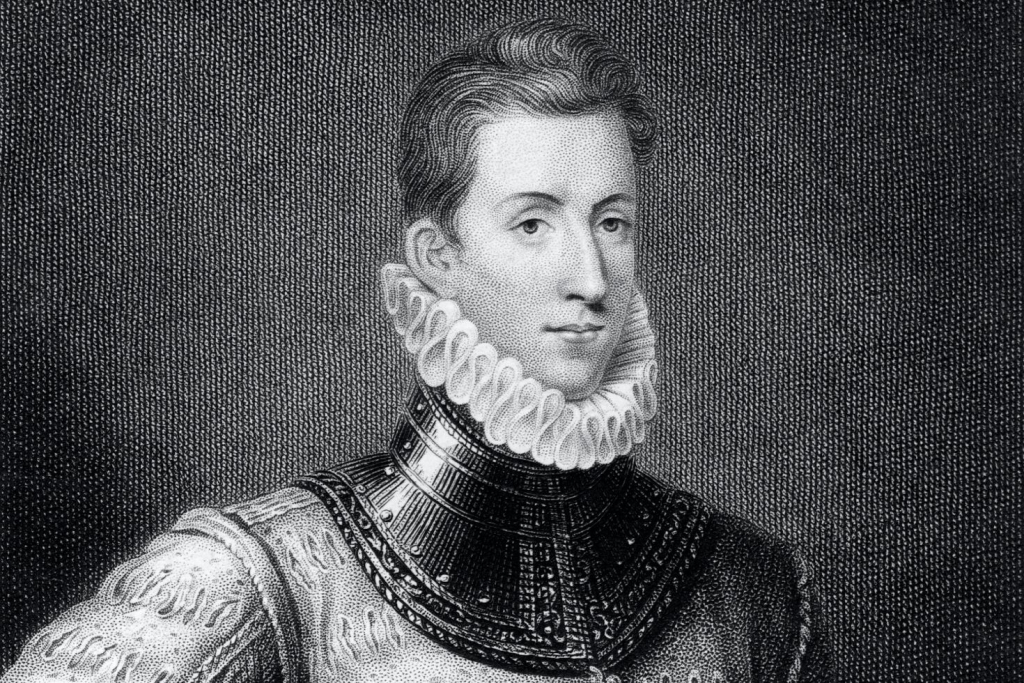
Here are some key aspects of The Defense of Poesy:
- A Response to Critics: The work was written in response to attacks on poetry, particularly Stephen Gosson’s The School of Abuse (1579), which criticized poetry, plays, and music on moral grounds. Sidney’s work serves as a powerful and eloquent defense of the value of imaginative literature.
- The Power of Poetry: Sidney argues that poetry is a superior form of art and a valuable tool for moral and intellectual development. He claims that poetry is more effective than either philosophy or history in teaching virtue and arousing a desire for goodness.
- Poetry vs. Philosophy: While philosophy provides abstract rules and precepts, poetry presents vivid, memorable examples that move the reader to action.
- Poetry vs. History: While history records what happened, poetry shows what ought to happen, presenting an ideal world that inspires readers to strive for a higher standard of life.
- The Poet as a Creator: Sidney elevates the status of the poet, viewing them not as a mere imitator of nature, but as a “maker” or “creator” who can build a world “better than nature.” This aligns with the Humanistic ideals of the Renaissance, emphasizing the individual’s creative power and ability to shape their own destiny.
- Rhetorical Structure: The essay is structured as a classical Ciceronian oration, with distinct parts (exordium, narration, refutation, etc.) that systematically and persuasively dismantle the arguments of poetry’s detractors.
- A Foundation of English Criticism: The Defense of Poesy is a cornerstone of English literary criticism. It introduced Renaissance critical ideas to England and laid the groundwork for future discussions about the purpose, function, and value of literature.
Aman Pal
Literatureman