
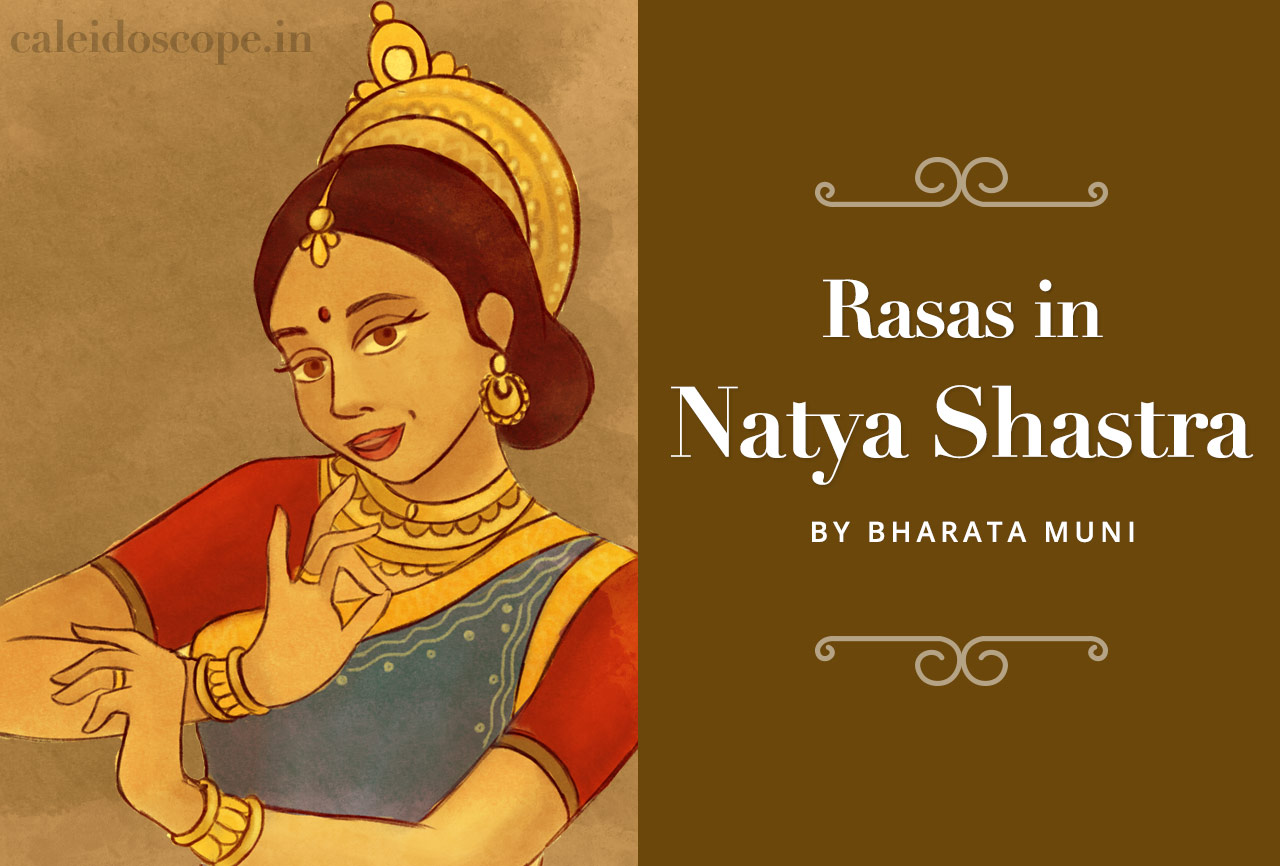
Chapter 6 of the Natyaśāstra, titled “The Sentiments” (Rasa), is a foundational chapter that delves into the theory of aesthetic experience in Indian dramaturgy. It explains how sentiments (rasas) are evoked in the spectator through the interplay of various dramatic elements. It is the Indian manual on classical Rasas. It substitutes the western edition of Aristotle’s Poetics. It is also known as the fifth veda.
Here’s a breakdown of the chapter’s key aspects:
Analysis of Chapter 6 – The Sentiment:
- Definition of Sentiment (Rasa): The chapter begins by addressing the question of how sentiments are produced, emphasizing that “No dramatic presentation can proceed without (the creation of) Sentiment”. Sentiments are not merely emotions but aesthetic flavors or essences that are relished by the spectator. They are the ultimate goal of any dramatic performance.
- Origin of Sentiments: The text poses the question of how sentiments originate, suggesting that they are produced from a combination of “Determinants (Vibhāva), Consequents (Anubhāva), and Transitory States (Vyabhicāribhāva)”.
- The Eight Sentiments: Bharata Muni identifies eight primary sentiments (Rasas):
- The Erotic (Śringāra)
- The Comic (Hāsya)
- The Pathetic (Karuṇa)
- The Furious (Raudra)
- The Heroic (Vīra)
- The Terrible (Bhayānaka)
- The Odious (Bībhasta)
- The Marvellous (Adbhuta)
- Relationship between Sentiments and States (Bhāvas): The chapter clarifies that sentiments arise from “dramatic states” (Bhāvas). While sentiments are the aesthetic relish, the states are the emotional conditions that contribute to their manifestation. The analogy of tasting food is often used: just as a dish combines various spices to create a unique flavor, dramatic states combine to produce a sentiment.
- Deities Associated with Sentiments: Each sentiment is associated with specific deities, colors, and notes of musical instruments, further emphasizing its comprehensive nature within the performance.
- Detailed Description of Each Sentiment: The chapter elaborates on each of the eight sentiments, explaining their nature, the specific permanent states (Sthāyibhāvas) that are their basis, and the various determinants and consequents that evoke them. For example:
- The Erotic Sentiment is described as delightful and pure, stemming from love, and includes elements of pleasure, youth, and beauty.
- The Comic Sentiment is characterized by laughter, arising from unusual dress, speech, or actions.
- The Pathetic Sentiment is rooted in sorrow and distress, caused by loss or separation.
- The Furious Sentiment is driven by anger, often seen in conflicts and combat.
- The Heroic Sentiment is based on energy and enthusiasm, associated with courage, generosity, and determination.
- The Terrible Sentiment arises from fear, evoked by ghosts, terrifying sounds, or death.
- The Odious Sentiment is born from disgust and revulsion, often involving unpleasant sights or descriptions.
- The Marvellous Sentiment is caused by astonishment and wonder, often through magical or extraordinary events.
Important Questions and Their Meaning:
- “Do the Sentiments come into existence from the States, or the States from the Sentiments?”
- Meaning: This is a fundamental philosophical question regarding the relationship between emotion and aesthetic experience. Bharata Muni’s response clarifies that Sentiments (Rasa) are generated from the combination of Determinants (Vibhāva), Consequents (Anubhāva), and Transitory States (Vyabhicāribhāva), implying that the States lead to the Sentiments, rather than the other way around. The sentiments are the “relish” of these states.
- “Why are these (States and Sentiments) called Bhāvas (States) and Rasas (Sentiments)?”
- Meaning: This question delves into the etymology and conceptual basis of these terms. The chapter explains that “Bhāvas are so called, because they cause the poetic sentiment to be felt (bhāvayanti) by the spectators through different kinds of Abhinaya”. This highlights the role of “Bhāvas” (emotions/states) in causing the sentiment to be experienced. Similarly, “Sentiments (Rasas) are so called because they are capable of being tasted (āsvādyante)”. This emphasizes the audience’s experience of aesthetic relish.
- “What are the presiding deities of these (sentiments)?”
- Meaning: This question explores the divine associations and symbolic representations of each sentiment. For example, the Erotic sentiment is linked to Viṣṇu, the Comic to Pramathas, the Pathetic to Yama, the Furious to Rudra, the Heroic to Indra, the Terrible to Kāla (Time), the Odious to Mahākāla, and the Marvellous to Brahma. These associations imbue the sentiments with a broader cosmic and cultural significance.
- “What are their colours?”
- Meaning: This question relates to the visual and symbolic representation of sentiments, which is crucial in dramatic arts. Each sentiment is assigned a specific color: Erotic (dark-green/śyāma), Comic (white/śveta), Pathetic (grey/kapota), Furious (red/rakta), Heroic (yellow-white/gaura), Terrible (black/kṛṣṇa), Odious (blue/nīla), and Marvellous (yellow/pīta). These color associations help in costume design, stage setting, and overall aesthetic impact to evoke the intended sentiment.
In essence, Chapter 6 of the Natyaśāstra provides the core framework for understanding the emotional and aesthetic impact of dramatic performances, laying down the principles by which sentiments are created, conveyed, and experienced by the audience.
Aman Pal
Literatureman